How Often Should You Change Your HVAC Air Filter?
Changing your HVAC air filter is one of the simplest and most important things you can do to protect your heating and cooling system.
A clean filter helps:
- improve airflow
- support better indoor air quality
- reduce strain on the HVAC system
- keep heating and cooling running efficiently
Yet it is one of the most commonly overlooked maintenance tasks in a home.
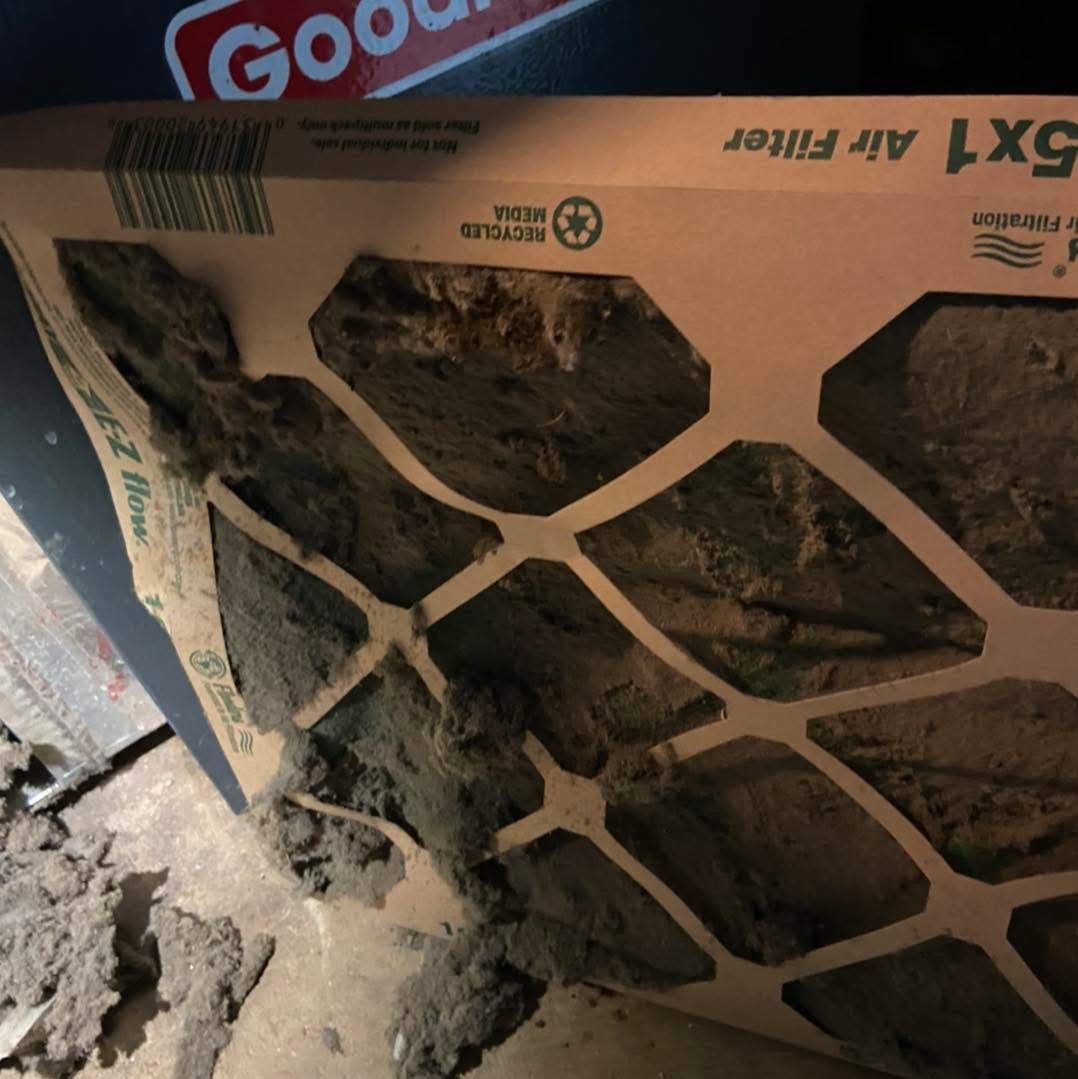
When a filter becomes clogged with dust, pet hair, pollen, and dirt, your HVAC system has to work harder to move air throughout the house. Over time, that added strain can affect comfort, efficiency, and system performance.
What Does an HVAC Filter Actually Do?
Your air filter helps trap airborne particles before they circulate through your HVAC system and home.
This can include:
- Dust
- Pet dander
- Pollen
- Lint
- Hair
- Other airborne particles
The filter helps protect both your indoor air quality and your HVAC equipment.
Without regular replacement, airflow becomes restricted and your system operates less efficiently.
Why Changing Your Filter Is Important
A dirty air filter may lead to:
- Reduced airflow from vents
- Increased dust buildup in your home
- Higher energy bills
- Uneven temperatures
- Increased wear on HVAC components
In some cases, extremely clogged filters can cause avoidable HVAC repair issues.
Regular filter replacement is one of the easiest ways to help your system operate the way it was designed to.
How Often Should You Change Your Air Filter?
For most homes, replacing the filter every 60 to 90 days is a good general guideline.
However, some homes need more frequent replacement depending on lifestyle and system use.
Replace Every 30–60 Days If:
- You have pets
- Someone in the home has allergies or asthma
- Your HVAC system runs heavily year-round
- You have multiple occupants in the home
- Your home collects dust quickly
Pet hair and dander can clog filters faster than many homeowners realize.
Replace Every 60–90 Days If:
- You have an average household
- No major allergy concerns
- Standard HVAC usage
- Minimal pet shedding
Even higher-quality filters should still be checked regularly.
Signs Your Air Filter Needs to Be Replaced
Sometimes the system gives warning signs before you think to check the filter.
Common signs include:
- The filter appears gray or clogged
- Weak airflow from vents
- Dust collecting quickly around the home
- HVAC system running longer than usual
- Increased allergy irritation
- Higher utility bills without explanation
If you notice one or more of these issues, checking the filter is a good first step.
Choosing the Right Filter
Not all filters are the same.
You may have heard terms like “MERV rating” but are unsure what they actually mean.
In general:
- Lower MERV filters allow easier airflow
- Higher MERV filters capture smaller particles but can be more restrictive
For many homes, a mid-range filter provides a good balance between filtration and airflow.
Using an overly restrictive filter in a system not designed for it can reduce performance and strain the HVAC equipment.
Don’t Forget the Filter Size
One of the biggest frustrations homeowners face is forgetting the correct filter size when it is time for replacement.
The filter size is typically printed on the side of the filter frame.
Helpful habits include:
- taking a photo of the filter size
- writing it near the HVAC system
- setting calendar reminders
- scheduling automatic filter deliveries
Consistency matters more than buying the most expensive filter available. Setting a regular schedule and sticking to it, is the best way to support your systems function and longevity.
The Bottom Line
Changing your air filter regularly is a small maintenance task that can make a big difference.
A clean filter helps:
- improve airflow
- support cleaner indoor air
- reduce system strain
- improve HVAC efficiency
- help extend equipment lifespan
For most homes, checking the filter monthly and replacing it every 60–90 days is a smart rule of thumb.
Homes with pets, allergies, or heavy HVAC use may benefit from more frequent replacement.
HVAC Filter Guidance in Northern Virginia
APS Home Services helps homeowners throughout Northern Virginia with:
- HVAC maintenance education
- Air Duct cleaning
- Dryer Vent cleaning
If you are unsure what filter size, replacement schedule, or MERV rating makes sense for your home, we are always happy to help point you in the right direction.
Recently, we added scheduled Door Step Delivery of HVAC air filters to our list of services after hearing from many customers that remembering filter sizes and replacement schedules was frustrating and easy to forget.
Feel free to click below to see if this is a service that would help you!